
Scott R. Tucker
West Point graduate. OIF veteran. Wealth insurance consultant for career military officers and senior NCOs. Founder of US VetWealth.
Licensed since 2008. Author. Speaker. Podcast co-host.
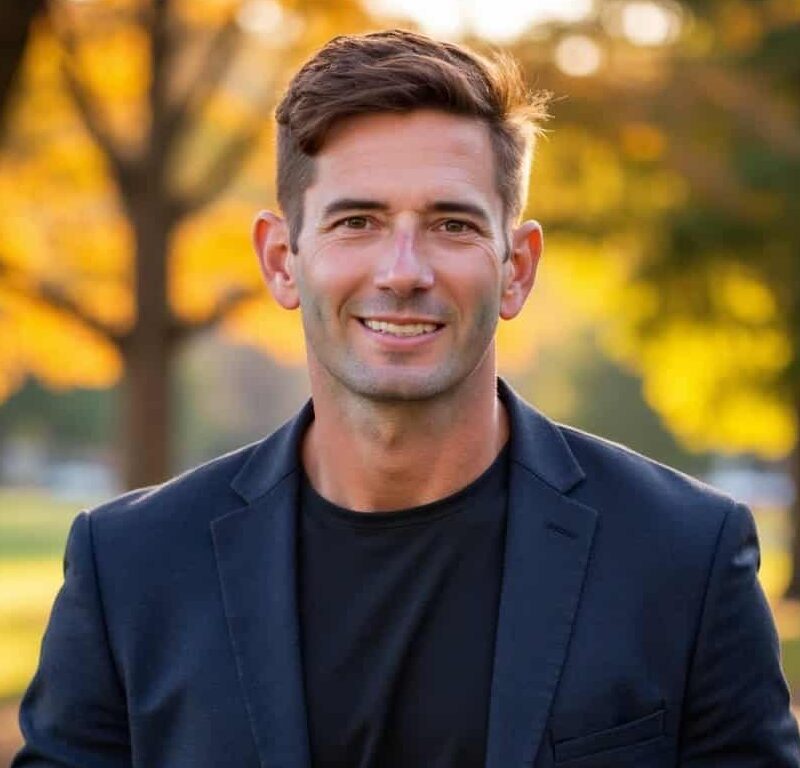
From Wooster, Ohio to West Point to independent.
Scott Tucker grew up in Wooster, Ohio. Small town, Amish country. Not a lot of obvious paths to West Point from that zip code, but that’s where he went. He graduated and commissioned in 2002, in the wake of September 11th. Active duty through 2008. Army Reserve until 2015.
Scott’s active-duty career stretched across an air defense slot with the 1st Infantry Division, a deployment to Iraq during OIF-2, a Ground Liaison Officer assignment with the 52nd Fighter Wing at Spangdahlem, and a final tour at HQ EUCOM in Stuttgart. By the time he was looking at the door on active duty, he had spent the better part of his last few years in uniform inside one specific population: retiring O-5s and O-6s working their way through Europe and out of the service.
He didn’t know it at the time, but that’s where the work he does now started taking shape. The same pattern, over and over: senior officers anxious about what came next, generating new working groups and planning meetings to stay relevant, doing anything to defer the moment they’d have to decide whether to leave. The closer they got to that decision, the busier they made themselves. That observation stayed with him.
Scott left active duty in late 2008. Five days after his last active-duty day, Lehman Brothers collapsed. The financial services industry, which had been actively recruiting him for months, didn’t slow down. They were still pitching the same career: financial advisor with the autonomy of a small business owner. Unlimited income potential. Be your own boss. (He stayed in the Army Reserve through 2015 while building the practice.)
What he found inside that career was something different. He was representing the firm, locked into the firm’s products and processes, with no salary. The firm paid him what he produced. The 95% washout rate in the first two years told him most of what he needed to know about how forgiving the model was. He got licensed in 2008 and learned the business under a 30-year CFP in Stuttgart, working with American officers stationed overseas.
He stayed for ten years. What he learned in those years is what eventually became US VetWealth.
Inside the big-firm model, every advisor works from the same toolkit. Same licenses. Same products. Same prospecting model. The way you win is by gathering more assets under management and being all things to all clients. Specialization is structurally hard. Real differentiation between firms, between advisors, is largely cosmetic.
What Scott noticed, sitting in a population of retiring senior officers, was that clients were bouncing between firms looking for outcomes that weren’t really a function of which firm they chose. The underlying money flow was the same wherever they went. What clients were really outsourcing wasn’t expertise. It was responsibility. Someone to talk to. Someone to be in the room when the market did what the market does.
Meanwhile, a scorecard mentality dominated the model. Clients asked if their accounts beat the market. Advisors tracked whether they pulled in more assets than last year. Firms tracked whether they booked more fees and commissions. Nobody was asking the question Scott thought should drive the conversation:
That question started rearranging the work for him. The standard playbook, he realized, was aging out of usefulness right at the moment career military retirees needed it most. And the standard playbook was still what they were being offered.
Your health is your wealth. Not the account balance.
The operating principle underneath the practice. Money is the path-clearer, not the prize. The work is making sure what’s been earned gets to do the job it’s supposed to do, for the person and for the family.
Meeting Jen reframed what the work was for.

Scott met Jen in San Diego in 2016. They connected over something they each happened to be working on at the time: figuring out how to build their own businesses. Jen was running a social media marketing firm. Scott was still inside the big-firm advisory model, increasingly frustrated by it. Self-employment, for both of them, was the question of the moment.
Jen also turned out to be a Gold Star daughter. Her father died on active duty in Japan when she was ten, months before he was scheduled to retire. She had grown up adjacent to the military but had stepped away from the community for most of her adult life. Meeting Scott pulled her back in.
For Scott, meeting Jen reframed what the work he was building was actually for. He had been thinking about it as financial advice for transitioning officers. Jen was the dependent side of exactly the decision those officers make about the survivor benefit. The math, lived.
Today, Scott and Jen live in Hampton Roads, Virginia, and they run US VetWealth together. Jen shapes the message, the writing, and the structure of how the work gets communicated. The brand has carried her fingerprints from the first book onward.
Her Podcast
A couple of years after they met, Jen launched Holding Down the Fort, her podcast for military spouses, out of that recognition. The spouse is in the room for one of the most consequential decisions a family will ever make. Most material in this space treats them like an audience instead of a stakeholder. Jen treats them like the stakeholders they are.
The truth Scott works from.
In 2017, Scott’s father died unexpectedly, in his early 70s. He had coached football for most of his career, including a long run at Ohio State. The culture he lived in wasn’t military, but it had the same DNA: discipline, hierarchy, mission, sacrifice, team. The thing that made him who he was, the players, the team, the role, the wins and losses, the championships, ended when he retired from coaching.
By the time he stopped, he was exhausted. He looked retired in some sense. He found ways to fill the time. He treated golf like it was his next job, scheduled it, stressed about being on time. He planned vacations the way he used to plan defenses for the Michigan game. But the team was gone. The role was gone. He had a few short years and then he was gone with them.
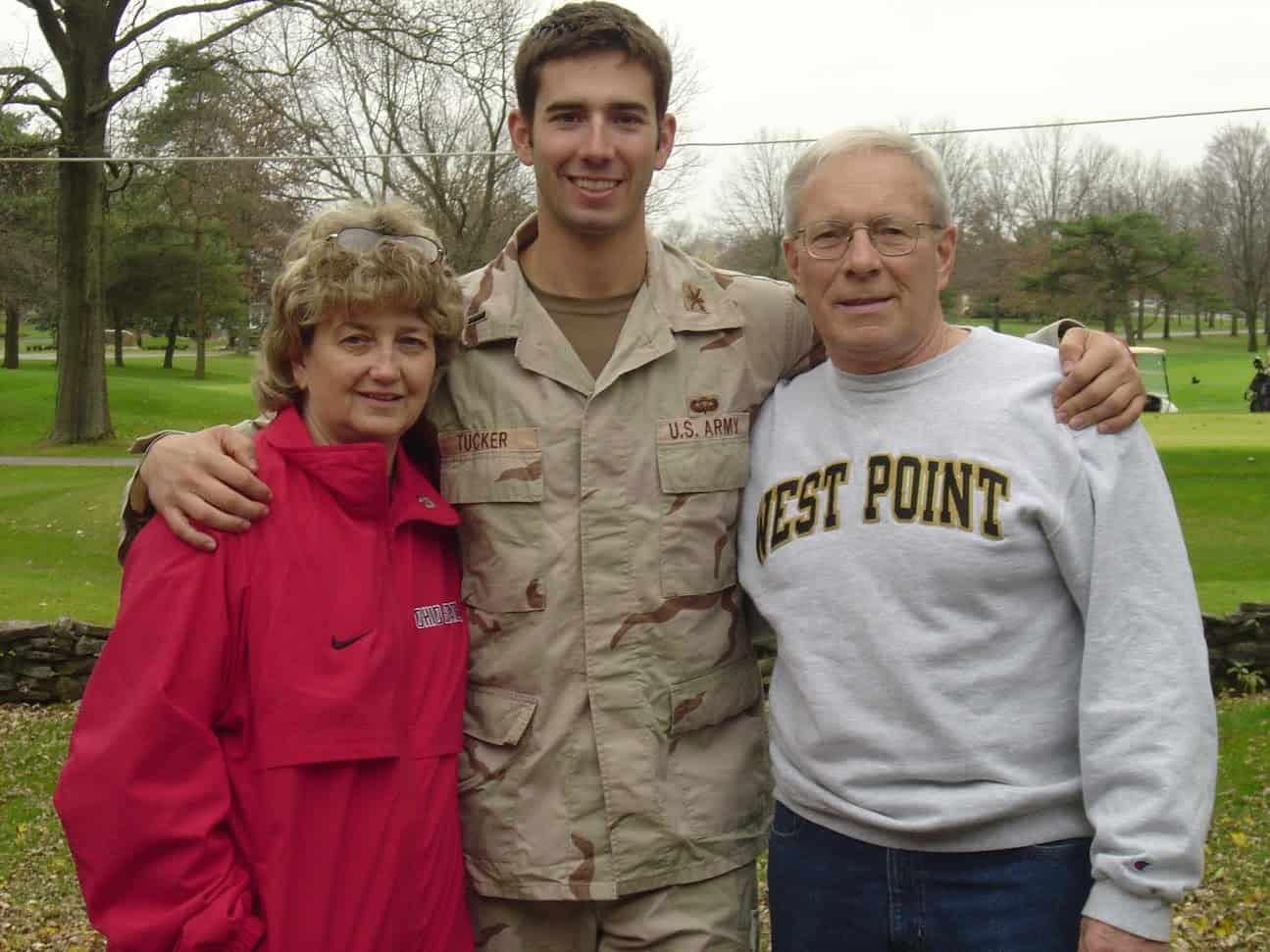
On paper, the money was handled. He had saved well. He had a written will. Scott’s mom was comfortable. He had done the responsible thing. A few months before he died, he was approved for a million-dollar life insurance policy and turned it down. He thought it was too much coverage and took something smaller instead. Scott’s mom still had enough, until her health declined. Long-term care costs are what they are. Without the extra million that policy would have provided, the careful plan he had built will largely get spent down on her care. He never got to enjoy what he built in the first place.
That’s the truth Scott works from. Retirement planning is more about health and a sense of purpose than money. The money is the path-clearer. It isn’t the prize. The prize is who you get to be once the money isn’t the constraint anymore.
US VetWealth was founded in 2019.
Losing his father wasn’t a clean epiphany so much as the moment Scott stopped hedging. The frustration with the firm model had been building for years. After his father died, he dropped the Series 6 and 65, left the firm, and went fully independent. Career military officers and senior NCOs only. Specific decisions where most advisors haven’t done the work: life insurance, annuities, SBP alternatives, VGLI replacement, pension positioning. The books, the blog, the YouTube channel followed. None of it was about building an audience. It was about being findable for the people already asking the right questions.
Privatize the parts of military retirement income that don’t have to depend on government programs. Protect the wealth that’s already been earned. Profit, in the older sense of the word, by making sure that wealth gets to do its job for the family and the life its owner wants to live.
The flagship strategy is the War Chest Strategy, an IUL plus convertible term combination used for pension maximization and as a private-market alternative to the Survivor Benefit Plan. It treats life insurance as a third asset class alongside the pension and the TSP, instead of as a tax on the pension or a placeholder benefit no one bothered to evaluate.
Scott also co-hosts the Military Retirement Blueprint podcast with CAPT(R) Mike Wallace, USN, and serves as a trusted consultant for Blue Water Advisors, Mike’s executive transition firm for retiring senior officers.
Why CrossFit is on this page.
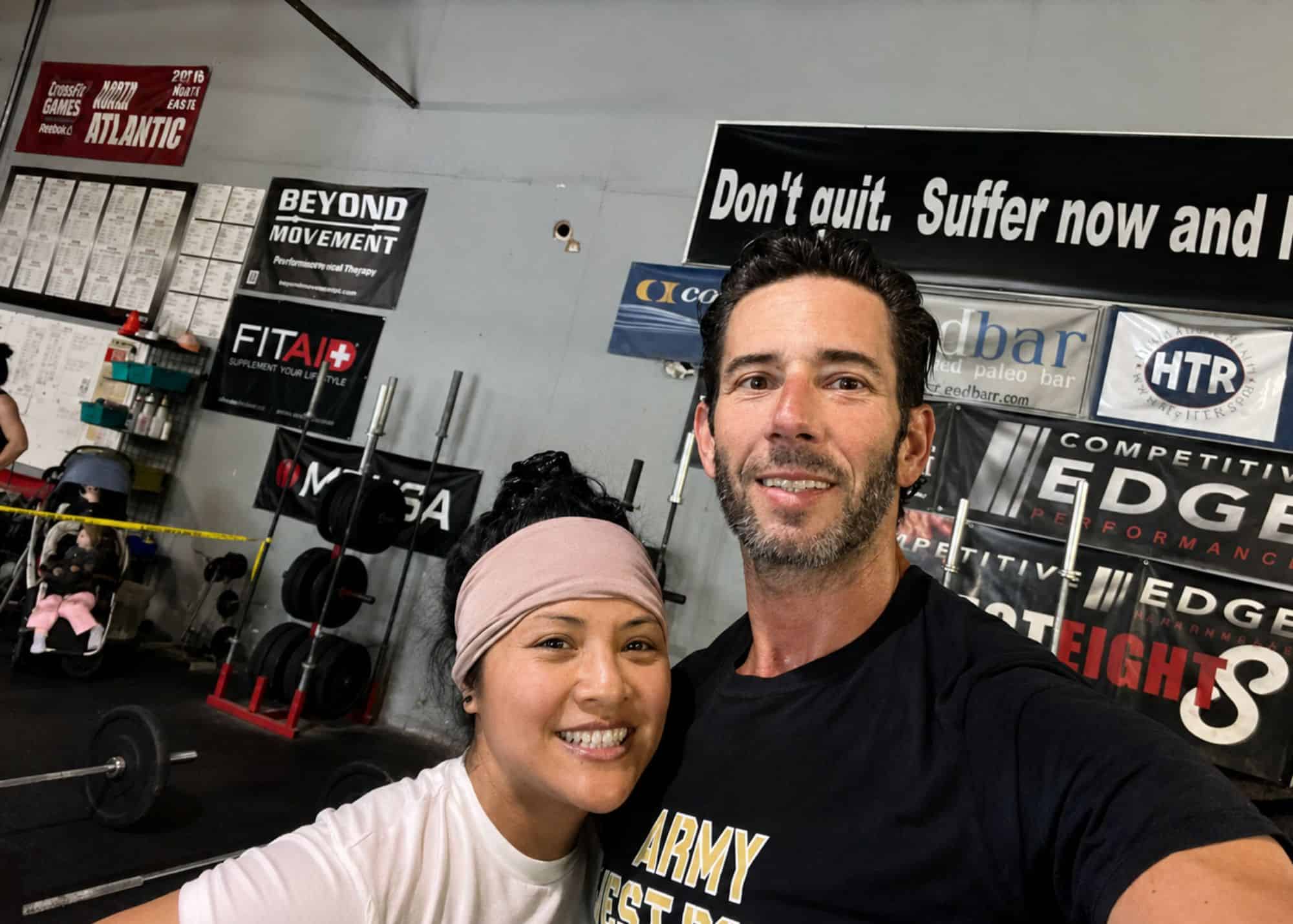
In early 2022, Scott made a serious change. He stopped drinking, switched to a carnivore diet, and lost 110 pounds in nine months, down from roughly 300. He returned to CrossFit and started training six days a week.
2026 CrossFit Open
Qualified for quarterfinals. Finished in the top 14% of all athletes across all age groups, and the top 6% in the 45 to 49 age group.
The reason this is on the founder page isn’t to brag, and it isn’t about CrossFit specifically. It’s the methodology underneath. The CrossFit pyramid starts with nutrition at the base, then mobility, then strength, then full functional movement. The whole point is to maintain real capacity into older age and avoid the predictable diseases that show up when you don’t. It’s about taking responsibility back for your own health.
The structural parallel to financial life is the part that matters. Most Americans have been taught to outsource their health to a doctor and their finances to an advisor. Show up once a year, get a report, hope for the best. The truth, in both, is that you’re the one eating the food, and you’re the one earning, saving, and using the money. Outsourcing the work doesn’t outsource the consequences.
This isn’t a side belief. It’s the operating principle the practice runs on. The goal of the work Scott does with clients is the same goal he and Jen pursue in the gym: build a foundation strong enough that you have what you need when you need it, and live the life that work is supposed to fund.
There’s a second, more practical reason this principle shows up here. In the life insurance industry, “your health is your wealth” is literal. Health is what determines whether you qualify for the private-market products that protect everything else. You qualify while you’re well, or you don’t qualify at all. The window doesn’t close all at once, but it does narrow.
What’s been written down.
Scott has written several books on military retirement, life insurance, and the broader transition from active duty to civilian financial life.
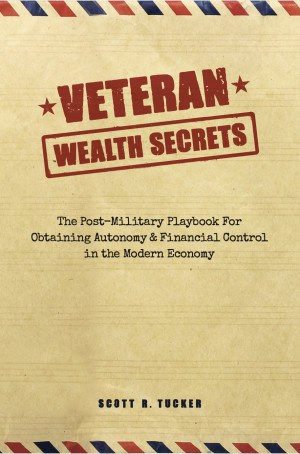
The case for an approach to military retirement planning centered on autonomy and control. Lays out the pitfalls of conventional advice and the strategies the financial industry isn’t built to specialize in.
Find on Amazon →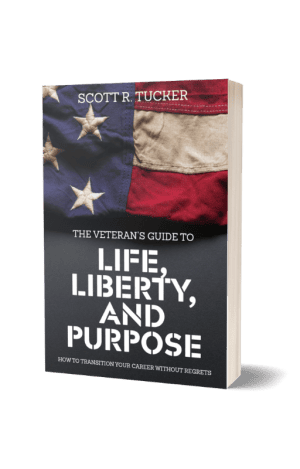
Scott’s first book. A broader look at the transition out of uniform, written for service members thinking past the paycheck about what comes next.
Find on Amazon →
Shorter, focused guides on the three decisions most military retirees face on the way out: SBP alternatives, VGLI replacement, and TSP rollover strategy. Free to read.
Explore the library →Where Scott shows up in person.
Speaking, mentoring, and podcasting on military retirement planning, life insurance, and the second-act decisions senior officers face on their way out.

Trusted consultant for BWA members on retirement income planning. Presenter at the retiring senior leader seminars BWA runs.

Speaker and mentor in Bunker Labs cohort programs supporting veteran entrepreneurs through the transition into self-employment.
Speaker and mentor for military spouse and veteran entrepreneurs building service-based businesses.
Additional speaking and workshop engagements include the Military Influencer Conference and the Institute for Veterans and Military Families (IVMF) at Syracuse University.
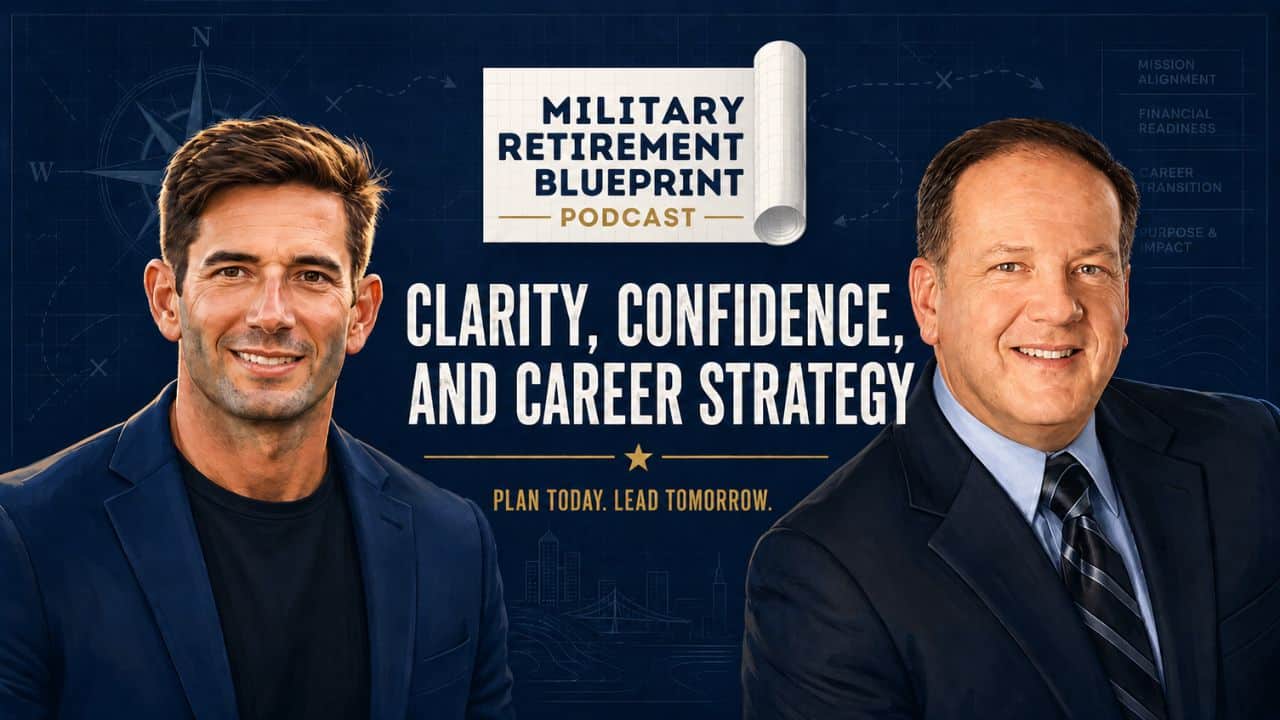
Co-hosted with CAPT(R) Mike Wallace, USN. The conversation Scott and Mike have on the record about SBP, VGLI, executive transition, the 20-year window, what’s worked, and what hasn’t.
Let’s see if this is the conversation you’ve been looking for.
A strategy call is a conversation, not a pitch. Free, no commitment. Scott runs every call himself. If the way he talks doesn’t sound like the way you want to be talked to, it’ll save both of you the time.
It’s not about advice. It’s about autonomy.